


RyDong
New Member
Advertisement - Members don't see this ad
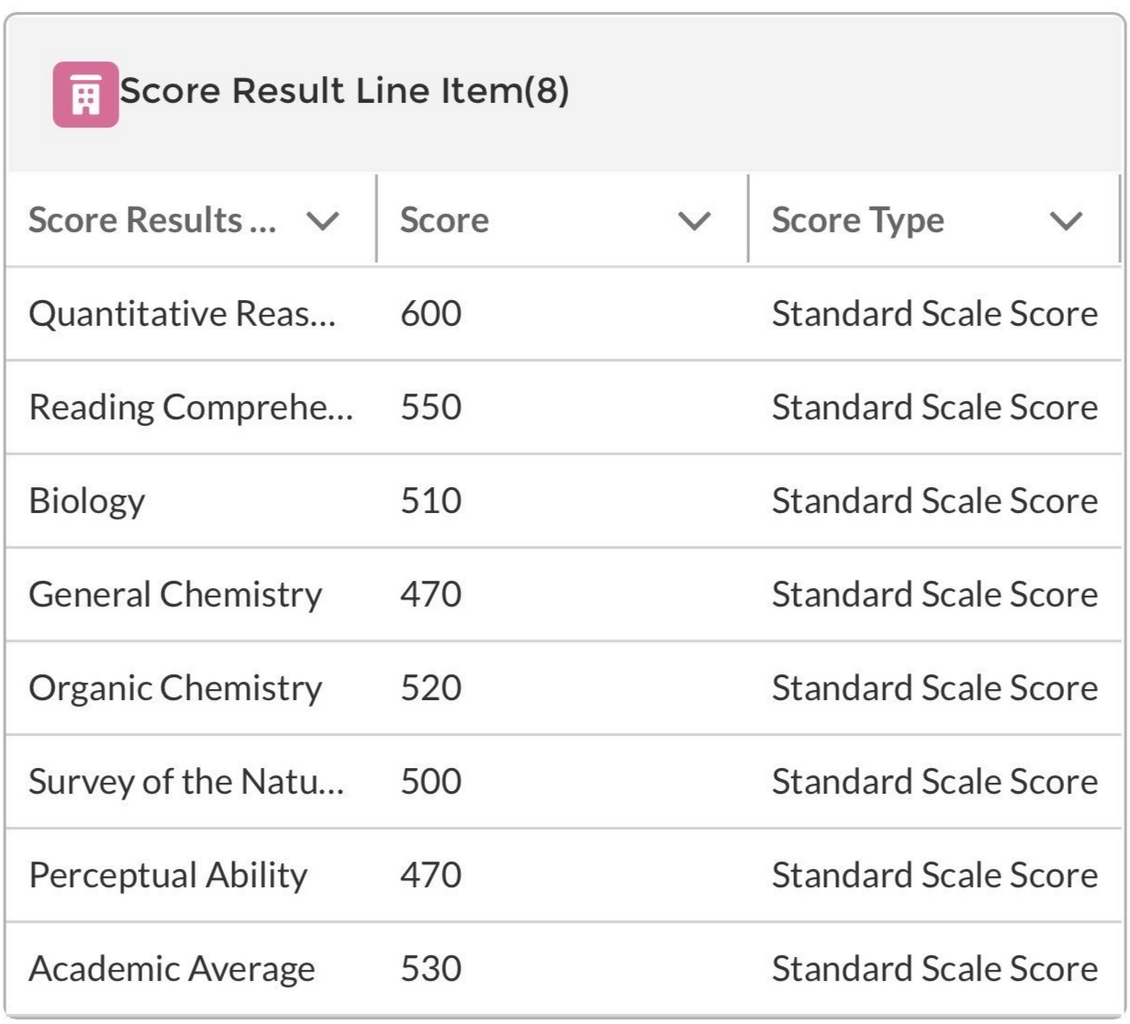
Hi everyone! I recently took the DAT on September 5th, 2026, and figured I would make a breakdown since reading other people's breakdowns helped me a lot when I was trying to figure out how to study.
Scores:
I started studying around 2-3 weeks into the summer and ended up taking my exam on September 5th.
I only used DAT Booster for my preparation. I know a lot of people use multiple resources, but I wanted to keep things simple and quite frankly using multiple prep services was too costly.
Videos:
The videos were really good for reviewing material I had already learned in my classes, while also introducing concepts that I wasn't as familiar with. I didn't always feel like I needed to memorize everything directly from the videos, but they were really useful for getting a general understanding of the material before moving on to practice questions.
Practice Questions:
I thought the practice questions for each section were pretty helpful. They let me immediately see whether I actually understood what I had just watched in the videos. Going through the explanations was especially useful when I got questions wrong because sometimes I knew the general concept but didn't know how to apply it.
Cheat Sheets:
These were probably one of my favorite resources during the last week. I used them heavily toward the end of studying because they were much easier to review than going through all of the longer material again.
Practice Tests:
By far the most helpful part of Booster for me. The practice tests gave me a much better idea of what types of questions I would actually see and helped me work on timing and pacing. I would definitely recommend doing the full-lengths rather than only doing individual practice questions.
Anki:
Booster's Anki decks were useful for some things, but honestly they weren't that helpful for me personally. This is mostly because I don't learn very well with flashcards and I don't really enjoy using them. If you're someone who likes Anki, I could definitely see it being much more useful.
The beginning of my studying went pretty well. I had a lot of motivation when I first started and was keeping up with the schedule.
Then, around the middle of my studying, I started falling behind. I've always been a pretty big procrastinator, and unfortunately that carried over into DAT studying. I started with a burst of motivation, but eventually I got lazy and stopped following my schedule as closely.
Because of this, the last few weeks ended up being much more intense. I picked up the pace again during the final 3 weeks and focused a lot more on practice questions and full-length exams.
Looking back, I definitely think I could have scored higher if I had stayed consistent throughout the entire summer. The material itself wasn't impossible, but falling behind made everything much more stressful toward the end.
My target was around a 530 AA, but I had been scoring around 450 on my practice exams. Obviously, 450 isn't a bad score, but it was below the score I was personally aiming for, so I started seriously considering pushing my exam back.
Unfortunately, there weren't any available dates that worked, so eventually I just accepted that I was taking it and decided to lock in and do my best.
At that point, I focused more on reviewing the cheat sheets, going over things I had gotten wrong, and taking practice exams rather than trying to learn a bunch of completely new material.
The morning of the exam, I woke up early and made sure to eat a light breakfast.
One thing I would definitely recommend is being careful about what you drink before the exam. I normally drink coffee, so I had some before the test, but I ended up having to use the bathroom during the Orgo section.
If you leave the testing room, you have to go through the whole process of being checked/patted down again before you can re-enter, which wastes time. So don't make the same mistake I did lol.
The questions weren't nearly as niche as some of the Booster questions, but there was still a very large amount of material covered. I would describe the actual questions as being pretty surface-level, but you still need to know a lot of different topics because the exam can pull from basically anywhere.
Booster definitely prepared me well for the breadth of material.
I wouldn't recommend getting too caught up trying to memorize extremely specific details just because you saw one crazy question on a practice test. Focus on understanding the major concepts and being comfortable with a wide range of topics.
There was a pretty heavy emphasis on knowing your reactions and mechanisms. I would definitely make sure you know the major reactions and understand what is actually happening rather than just recognizing the reaction name.
I also think practicing questions is important because it's easy to look at a reaction and think you understand it until you actually have to apply it.
I did around 80 points worse than I expected on GC.
The questions felt more application-heavy compared to Booster. However, I don't think the actual information was something completely new. It was more that the questions were asking me to apply concepts in ways that I wasn't expecting.
So I wouldn't say Booster didn't prepare me for it. The information was still familiar, but the way the questions were presented caught me off guard and I ended up performing worse than I expected.
I would definitely make sure you understand the concepts rather than only memorizing formulas and doing repetitive calculations.
A lot of the questions were algebra-based, but be very careful with the wording.
There were some questions where the math itself was extremely simple, but the wording was specific about what they were actually asking for.
For example, you might be given information about one group of people and then be asked for the percentage of people who are not part of that group. It's easy to do the calculation correctly but answer the wrong thing if you don't read carefully.
So don't rush just because the math looks easy.
The passages felt easier and weren't as long. The questions were also generally in order.
What I mean by this is that the first question for a passage would usually be answered somewhere toward the beginning of the passage, and then the next question would generally be further along. It wasn't always perfectly in order, but it was much more organized than I expected.
Because of that, I didn't feel like I had to spend nearly as much time jumping around the passage looking for answers.
Booster's practice passages were longer and felt more difficult, so I think practicing with those helped make the actual section feel easier.
My biggest advice is don't get stuck on one question. Every question is worth the same amount, so spending a huge amount of time trying to figure out one question isn't worth it if you could have answered several other questions during that time.
I personally recommend skipping to Angle Ranking first and going from there. Keyhole and TFE were usually the most time-consuming for me.
On the actual test, you can skip to Angle Ranking by pressing review and going to question 31.
Definitely practice your timing because even if you know how to solve the questions, running out of time can hurt you.
I started the summer with a lot of motivation, fell behind in the middle, and then had to make up for it during the last few weeks. If I had stayed locked in throughout the entire summer, I definitely think I could have done better.
I also don't think the DAT is meant to be some impossible test. It covers a lot of information, but the individual concepts aren't necessarily impossible. A huge part of it is being able to pace yourself, stay focused, and consistently put in the work.
Don't let a bad practice test convince you that you're doomed. My practice scores were around 450 when I was aiming for a 530, and I still went into the real exam and did my best.
Use the practice tests to figure out what you don't know, review those topics, and then keep moving forward.
If you're studying right now, good luck! You can definitely do it. Just try not to procrastinate as much as I did lol.
Scores:
- AA: 530
- TS: 500
- Bio: 510
- GC: 470
- OC: 520
- PAT: 470
- RC: 550
- QR: 600
Background
I am currently a junior college student and originally wasn't even planning on taking the DAT this summer. My plan was to work at a dental office that I had worked at the previous summer, but they ended up not having space for me this year. Since I suddenly had a lot more free time than I expected, I decided to spend the summer studying for the DAT instead.I started studying around 2-3 weeks into the summer and ended up taking my exam on September 5th.
I only used DAT Booster for my preparation. I know a lot of people use multiple resources, but I wanted to keep things simple and quite frankly using multiple prep services was too costly.
Materials Used
DAT Booster
Since Booster was the only resource I used, pretty much everything I did came from it.Videos:
The videos were really good for reviewing material I had already learned in my classes, while also introducing concepts that I wasn't as familiar with. I didn't always feel like I needed to memorize everything directly from the videos, but they were really useful for getting a general understanding of the material before moving on to practice questions.
Practice Questions:
I thought the practice questions for each section were pretty helpful. They let me immediately see whether I actually understood what I had just watched in the videos. Going through the explanations was especially useful when I got questions wrong because sometimes I knew the general concept but didn't know how to apply it.
Cheat Sheets:
These were probably one of my favorite resources during the last week. I used them heavily toward the end of studying because they were much easier to review than going through all of the longer material again.
Practice Tests:
By far the most helpful part of Booster for me. The practice tests gave me a much better idea of what types of questions I would actually see and helped me work on timing and pacing. I would definitely recommend doing the full-lengths rather than only doing individual practice questions.
Anki:
Booster's Anki decks were useful for some things, but honestly they weren't that helpful for me personally. This is mostly because I don't learn very well with flashcards and I don't really enjoy using them. If you're someone who likes Anki, I could definitely see it being much more useful.
Study Timeline
I used the schedule builder that Booster provides to organize my studying.The beginning of my studying went pretty well. I had a lot of motivation when I first started and was keeping up with the schedule.
Then, around the middle of my studying, I started falling behind. I've always been a pretty big procrastinator, and unfortunately that carried over into DAT studying. I started with a burst of motivation, but eventually I got lazy and stopped following my schedule as closely.
Because of this, the last few weeks ended up being much more intense. I picked up the pace again during the final 3 weeks and focused a lot more on practice questions and full-length exams.
Looking back, I definitely think I could have scored higher if I had stayed consistent throughout the entire summer. The material itself wasn't impossible, but falling behind made everything much more stressful toward the end.
One Week Before the Exam
About a week before my exam, I was pretty stressed and wasn't confident in my scores.My target was around a 530 AA, but I had been scoring around 450 on my practice exams. Obviously, 450 isn't a bad score, but it was below the score I was personally aiming for, so I started seriously considering pushing my exam back.
Unfortunately, there weren't any available dates that worked, so eventually I just accepted that I was taking it and decided to lock in and do my best.
At that point, I focused more on reviewing the cheat sheets, going over things I had gotten wrong, and taking practice exams rather than trying to learn a bunch of completely new material.
Day Before / Day of the Exam
The night before the exam I tried to sleep early. The keyword is “tried.” What really ended up happening is that I was so nervous and anxious I couldn’t fall asleep. I ended up only getting 5 hours of sleep that night.The morning of the exam, I woke up early and made sure to eat a light breakfast.
One thing I would definitely recommend is being careful about what you drink before the exam. I normally drink coffee, so I had some before the test, but I ended up having to use the bathroom during the Orgo section.
If you leave the testing room, you have to go through the whole process of being checked/patted down again before you can re-enter, which wastes time. So don't make the same mistake I did lol.
Biology
Bio felt much easier than Booster.The questions weren't nearly as niche as some of the Booster questions, but there was still a very large amount of material covered. I would describe the actual questions as being pretty surface-level, but you still need to know a lot of different topics because the exam can pull from basically anywhere.
Booster definitely prepared me well for the breadth of material.
I wouldn't recommend getting too caught up trying to memorize extremely specific details just because you saw one crazy question on a practice test. Focus on understanding the major concepts and being comfortable with a wide range of topics.
Organic Chemistry
Orgo was around the same difficulty as Booster for me.There was a pretty heavy emphasis on knowing your reactions and mechanisms. I would definitely make sure you know the major reactions and understand what is actually happening rather than just recognizing the reaction name.
I also think practicing questions is important because it's easy to look at a reaction and think you understand it until you actually have to apply it.
General Chemistry
This was probably the section that surprised me the most.I did around 80 points worse than I expected on GC.
The questions felt more application-heavy compared to Booster. However, I don't think the actual information was something completely new. It was more that the questions were asking me to apply concepts in ways that I wasn't expecting.
So I wouldn't say Booster didn't prepare me for it. The information was still familiar, but the way the questions were presented caught me off guard and I ended up performing worse than I expected.
I would definitely make sure you understand the concepts rather than only memorizing formulas and doing repetitive calculations.
Math
Math felt pretty easy overall.A lot of the questions were algebra-based, but be very careful with the wording.
There were some questions where the math itself was extremely simple, but the wording was specific about what they were actually asking for.
For example, you might be given information about one group of people and then be asked for the percentage of people who are not part of that group. It's easy to do the calculation correctly but answer the wrong thing if you don't read carefully.
So don't rush just because the math looks easy.
Reading Comprehension
RC was much easier than the Booster practice tests for me.The passages felt easier and weren't as long. The questions were also generally in order.
What I mean by this is that the first question for a passage would usually be answered somewhere toward the beginning of the passage, and then the next question would generally be further along. It wasn't always perfectly in order, but it was much more organized than I expected.
Because of that, I didn't feel like I had to spend nearly as much time jumping around the passage looking for answers.
Booster's practice passages were longer and felt more difficult, so I think practicing with those helped make the actual section feel easier.
PAT
The PAT is honestly just a time crunch.My biggest advice is don't get stuck on one question. Every question is worth the same amount, so spending a huge amount of time trying to figure out one question isn't worth it if you could have answered several other questions during that time.
I personally recommend skipping to Angle Ranking first and going from there. Keyhole and TFE were usually the most time-consuming for me.
On the actual test, you can skip to Angle Ranking by pressing review and going to question 31.
Definitely practice your timing because even if you know how to solve the questions, running out of time can hurt you.
Final Advice
Overall, I think the biggest thing I learned from studying for the DAT is that consistency matters a lot.I started the summer with a lot of motivation, fell behind in the middle, and then had to make up for it during the last few weeks. If I had stayed locked in throughout the entire summer, I definitely think I could have done better.
I also don't think the DAT is meant to be some impossible test. It covers a lot of information, but the individual concepts aren't necessarily impossible. A huge part of it is being able to pace yourself, stay focused, and consistently put in the work.
Don't let a bad practice test convince you that you're doomed. My practice scores were around 450 when I was aiming for a 530, and I still went into the real exam and did my best.
Use the practice tests to figure out what you don't know, review those topics, and then keep moving forward.
If you're studying right now, good luck! You can definitely do it. Just try not to procrastinate as much as I did lol.


