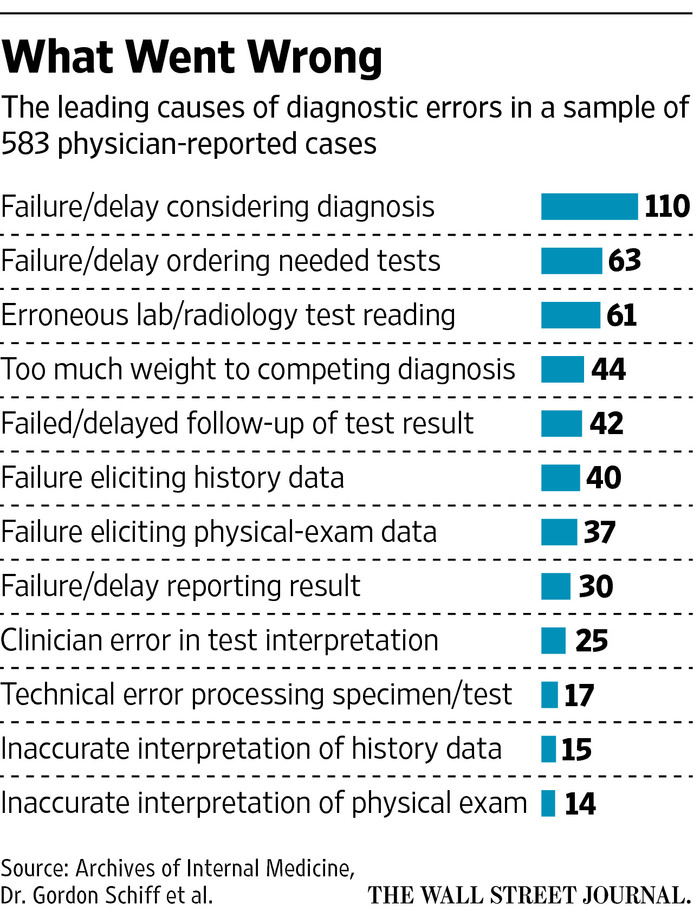
The article focuses on technology and its role in improving care and reducing errors, which makes sense given that WSJ is a business journal, but one of the physicians quoted makes a passing reference to "learning healthcare systems" which are a very interesting topic on their own and, arguably, more immediately beneficial as a concept to healthcare as a whole than AI barely being piloted at a small number of hospitals.
Not enough time to go into the whole topic now, but in 2012 the Institute of Medicine (one of the National Academies) released a consensus report on revamping the healthcare system to become a "learning" system. Here's a link to a summary of the recommendations:
Most importantly, it should be emphasized that a core part is fundamentally changing the way we handle clinical data which is currently treated as a private asset held by hospitals and insurers in order to obtain a competitive advantage but when made free and open allows for easier, faster information exchange leading to faster, broader consensus and faster scientific innovation/generation of knowledge. To an extent this kind of system already exists in a form in pediatriatic oncology's consortium model of scientific collaboration.