Who does epidural blood patches

This forum made possible through the generous support of SDN members, donors, and sponsors. Thank you.
Another fun question…

Who does lumbar drains where you all are? I’ve been in places where the anesthesiologists do them and others where neurosurgery does them. Luckily I’m pure peds now so it doesn’t come up anymore.
We do them.

Sometimes the night before, so the case doesn't get canceled if it's a bloody attempt.

Volume is pretty low. I think I've done two so far this year.
 
Only thing this thread proves is that lawyers are the scourge or the earth. Thanks to them the healthcare system is f’ed.
 
Lawyers!? Private equity and finance is the scourge of the earth…


Speaking of which….

 
Another fun question…

Who does lumbar drains where you all are? I’ve been in places where the anesthesiologists do them and others where neurosurgery does them. Luckily I’m pure peds now so it doesn’t come up anymore.

We have a subpanel that does them.
Sometimes neurosurgery will put them in at the end of a case that had a dural tear.
Personally, I am not a big fan of doing them in patients rooms post op.
I do them, but only if I get a procedure room to do them in.
I have done them in the OR under fluoro with tough patients w hardware.

Interesting discussion re: EBP. Here OB service covers their own PDPH and pain consult service covers any unattached/ER folks and does them after clinic is done under fluoro in the clinic procedure suite. Definitely not emergent and they get done whenever there's a hole in the schedule or after all the clinic business is done. I am in academia, though, so I'm sure in PP with fewer bodies that might result in a different algorithm.

Re: lumbar drains, we do them in the OR the day of the procedure for all vascular indications -- 100% fluoro-guided. We bounced around a little bit with admit the night before and having the CTICU intensivist do them and then IR, but we had more procedural issues (even from IR, interestingly enough). Now we have a small group of CV folks that do them. Complication rate seems quite a bit lower than the literature, but who knows if we'll regress to the mean.

Neurosurgery does their own but we've actually been asked to come in and rescue them twice when they were unable to place one since we do them w/ x-ray.


Edited to add: for rescue drains, sometimes the ICU puts them in and sometimes they call us. We will attempt at bedside if it's a true emergency (i.e., recent significant exam change) and the anatomy seems reasonable but low threshold to just book it emergently as a case in the hybrid suite. I had a guy with a BMI>65 in whom I almost hubbed the long (15cm) needle and still barely reached his spinal canal - hard to imagine doing that one in an ICU bed with no imaging. I know some of the old timers around here will tell me I'm soft and they also still do their IJs without ultrasound 😉
 
Last edited:
Interesting discussion re: EBP. Here OB service covers their own PDPH and pain consult service covers any unattached/ER folks and does them after clinic is done under fluoro in the clinic procedure suite. Definitely not emergent and they get done whenever there's a hole in the schedule or after all the clinic business is done. I am in academia, though, so I'm sure in PP with fewer bodies that might result in a different algorithm.

Re: lumbar drains, we do them in the OR the day of the procedure for all vascular indications -- 100% fluoro-guided. We bounced around a little bit with admit the night before and having the CTICU intensivist do them and then IR, but we had more procedural issues (even from IR, interestingly enough). Now we have a small group of CV folks that do them. Complication rate seems quite a bit lower than the literature, but who knows if we'll regress to the mean.

Neurosurgery does their own but we've actually been asked to come in and rescue them twice when they were unable to place one since we do them w/ x-ray.


Edited to add: for rescue drains, sometimes the ICU puts them in and sometimes they call us. We will attempt at bedside if it's a true emergency (i.e., recent significant exam change) and the anatomy seems reasonable but low threshold to just book it emergently as a case in the hybrid suite. I had a guy with a BMI>65 in whom I almost hubbed the long (15cm) needle and still barely reached his spinal canal - hard to imagine doing that one in an ICU bed with no imaging. I know some of the old timers around here will tell me I'm soft and they also still do their IJs without ultrasound 😉


Had an aortic dissection on a young 500lb Samoan guy years ago. Discussed with IR who are always involved in our TEVARS. Convinced him to do it under Fluoro/prone/GA on the day before the TEVAR. He was unfamiliar with the kit so I talked him through it. IR also had to hub the needle and press into the tissue to reach CSF space. I think my chance of doing it blindly would have been 0%.
 
Interesting discussion re: EBP. Here OB service covers their own PDPH and pain consult service covers any unattached/ER folks and does them after clinic is done under fluoro in the clinic procedure suite. Definitely not emergent and they get done whenever there's a hole in the schedule or after all the clinic business is done. I am in academia, though, so I'm sure in PP with fewer bodies that might result in a different algorithm.

Re: lumbar drains, we do them in the OR the day of the procedure for all vascular indications -- 100% fluoro-guided. We bounced around a little bit with admit the night before and having the CTICU intensivist do them and then IR, but we had more procedural issues (even from IR, interestingly enough). Now we have a small group of CV folks that do them. Complication rate seems quite a bit lower than the literature, but who knows if we'll regress to the mean.

Neurosurgery does their own but we've actually been asked to come in and rescue them twice when they were unable to place one since we do them w/ x-ray.


Edited to add: for rescue drains, sometimes the ICU puts them in and sometimes they call us. We will attempt at bedside if it's a true emergency (i.e., recent significant exam change) and the anatomy seems reasonable but low threshold to just book it emergently as a case in the hybrid suite. I had a guy with a BMI>65 in whom I almost hubbed the long (15cm) needle and still barely reached his spinal canal - hard to imagine doing that one in an ICU bed with no imaging. I know some of the old timers around here will tell me I'm soft and they also still do their IJs without ultrasound 😉
When i trained the lumbar drains were just epidural catheters inserted into the csf. Very easy for us to do in anesthesia.

Now the kits are complicated and the needle is like 12g or something crazy, I wonder if its really any difference
 
When i trained the lumbar drains were just epidural catheters inserted into the csf. Very easy for us to do in anesthesia.

Now the kits are complicated and the needle is like 12g or something crazy, I wonder if its really any difference
We used to use the epidural kits and catheters for vascular cases and had a high rate of eventually being unable to pull CSF off, and so switched to a dedicated kit. Larger tuohy, styleted catheter, the whole magillah
 
I’m purely outpatient pain, private practice. Epidural blood patch pays about $160. Definitely not worth the time and risk. I’ve done a few when the patient really needed it but I avoid if possible. I agree with OP - don’t assume risk if you’re not getting paid for it.

Those of you stuck in that situation though, and not wanting to leave the patient totally hung out to dry (or a patient who has a legit PDPH but EBP contraindication), I highly recommend the Sphenopalatine ganglion block:

It’s low risk and not very technical. Any doctor should be able to do it. Basically you stick an 18g angiocath into a long hollow cotton swab, then stick it to the back of the nasopharynx, and put about 1-2 mL lidocaine down each side. I do it with the patient supine with head extended, with a pillow under their upper back, which allows the lidocaine to pool on the SPG. Immediate relief and relief can last for several days. Risk of nosebleed - lubing the tip of the swab, or at least moistening it with lidocaine, helps. As a bonus, it also works amazingly for migraine. Have them roll to the side and blow their nose after about 3-5 minutes.

Billing it is iffy and you probably won’t get paid much if anything - CPT 64999. There’s a dedicated CPT for SPG injection but it applies only if you use a needle to access the nerve.

If you can’t or don’t want to stick a swab 4 inches into their nose, you can put them in the neck-extended position and just put the angiocath on the syringe and drip 2 mL lidocaine down each nostril.

Bonus points if you convince the ER doctors they’ll get the patient out much faster if they just do the SPG block themselves instead of waiting for you.

 
I’m purely outpatient pain, private practice. Epidural blood patch pays about $160. Definitely not worth the time and risk. I’ve done a few when the patient really needed it but I avoid if possible. I agree with OP - don’t assume risk if you’re not getting paid for it.

Those of you stuck in that situation though, and not wanting to leave the patient totally hung out to dry (or a patient who has a legit PDPH but EBP contraindication), I highly recommend the Sphenopalatine ganglion block:

It’s low risk and not very technical. Any doctor should be able to do it. Basically you stick an 18g angiocath into a long hollow cotton swab, then stick it to the back of the nasopharynx, and put about 1-2 mL lidocaine down each side. I do it with the patient supine with head extended, with a pillow under their upper back, which allows the lidocaine to pool on the SPG. Immediate relief and relief can last for several days. Risk of nosebleed - lubing the tip of the swab, or at least moistening it with lidocaine, helps. As a bonus, it also works amazingly for migraine. Have them roll to the side and blow their nose after about 3-5 minutes.

Billing it is iffy and you probably won’t get paid much if anything - CPT 64999. There’s a dedicated CPT for SPG injection but it applies only if you use a needle to access the nerve.

If you can’t or don’t want to stick a swab 4 inches into their nose, you can put them in the neck-extended position and just put the angiocath on the syringe and drip 2 mL lidocaine down each nostril.

Bonus points if you convince the ER doctors they’ll get the patient out much faster if they just do the SPG block themselves instead of waiting for you.
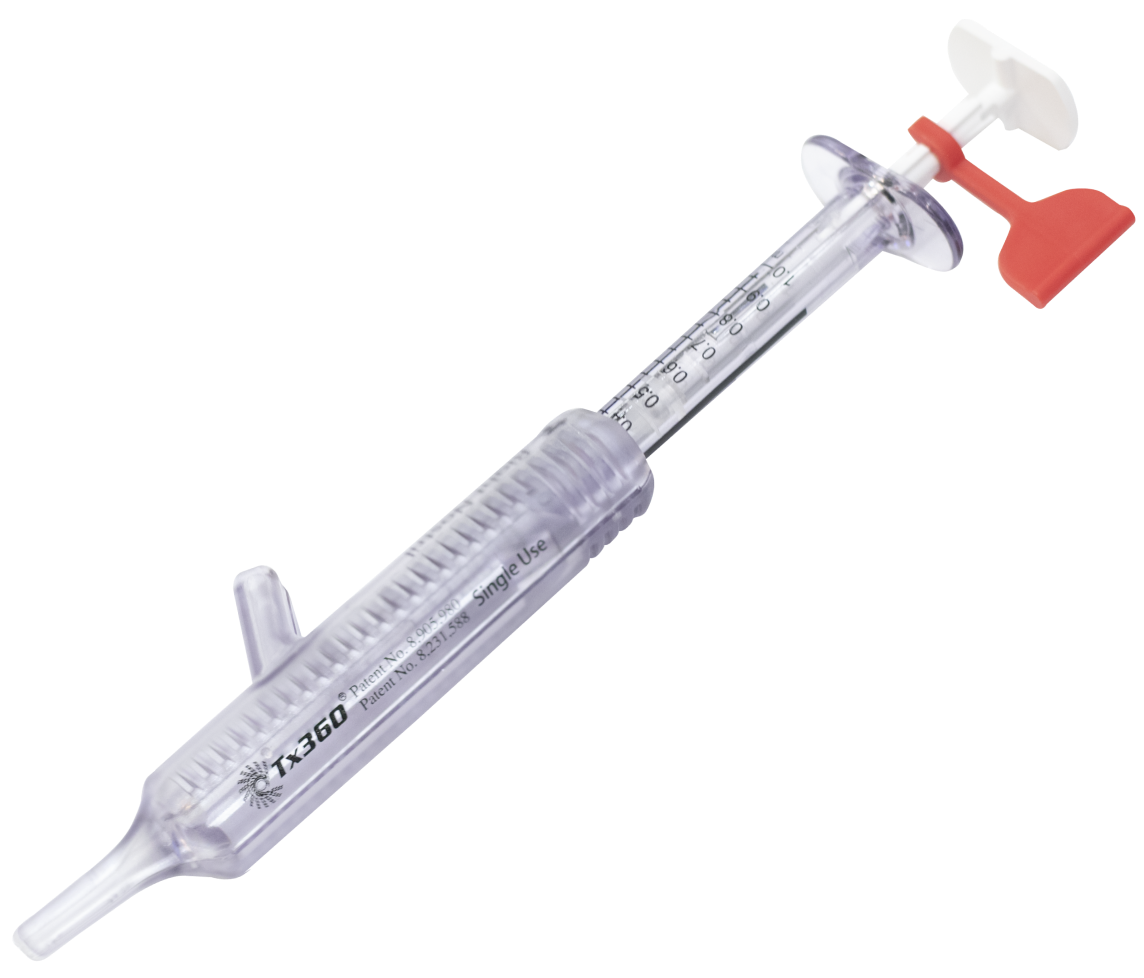
At the hospital I did residency the neurosurgery NPs would do the block in the ED for migraine patients using this device.

 
I’m purely outpatient pain, private practice. Epidural blood patch pays about $160. Definitely not worth the time and risk. I’ve done a few when the patient really needed it but I avoid if possible. I agree with OP - don’t assume risk if you’re not getting paid for it.

Those of you stuck in that situation though, and not wanting to leave the patient totally hung out to dry (or a patient who has a legit PDPH but EBP contraindication), I highly recommend the Sphenopalatine ganglion block:

It’s low risk and not very technical. Any doctor should be able to do it. Basically you stick an 18g angiocath into a long hollow cotton swab, then stick it to the back of the nasopharynx, and put about 1-2 mL lidocaine down each side. I do it with the patient supine with head extended, with a pillow under their upper back, which allows the lidocaine to pool on the SPG. Immediate relief and relief can last for several days. Risk of nosebleed - lubing the tip of the swab, or at least moistening it with lidocaine, helps. As a bonus, it also works amazingly for migraine. Have them roll to the side and blow their nose after about 3-5 minutes.

Billing it is iffy and you probably won’t get paid much if anything - CPT 64999. There’s a dedicated CPT for SPG injection but it applies only if you use a needle to access the nerve.

If you can’t or don’t want to stick a swab 4 inches into their nose, you can put them in the neck-extended position and just put the angiocath on the syringe and drip 2 mL lidocaine down each nostril.

Bonus points if you convince the ER doctors they’ll get the patient out much faster if they just do the SPG block themselves instead of waiting for you.
I really like this idea, but I’m surprised you’re able to get people to let you shove this thing so far back in their nose. I remember those early deep Covid swabs and wanted to die every time I had to have a test.
 
I really like this idea, but I’m surprised you’re able to get people to let you shove this thing so far back in their nose. I remember those early deep Covid swabs and wanted to die every time I had to have a test.
It’s not the most comfortable. Those Covid swabs are dry and unlubricated though. It helps to get the swab wet with lidocaine.
 
-snip- Immediate relief and relief can last for several days. -snip-

I've never tried to specifically because I've only ever heard of SPG blocks lasting a couple to few hours at most. You're the first doc that I've seen make that kind of claim on duration of pain relief.

Have I just been misled this whole time or is there something special about how you do it? What's the mechanism for lidocaine causing such an extended period of relief?
 
I've never tried to specifically because I've only ever heard of SPG blocks lasting a couple to few hours at most. You're the first doc that I've seen make that kind of claim on duration of pain relief.

Have I just been misled this whole time or is there something special about how you do it? What's the mechanism for lidocaine causing such an extended period of relief?
Nothing special, and just anecdotal. Had a few patients in fellowship with PDPH after IT pump implant. Obviously didn’t want to blood patch that. Did SPG block and they had relief for several days and then gradual resolution of the headache after that.
 
Nothing special, and just anecdotal. Had a few patients in fellowship with PDPH after IT pump implant. Obviously didn’t want to blood patch that. Did SPG block and they had relief for several days and then gradual resolution of the headache after that.
Very interesting, thanks.
 
I've never tried to specifically because I've only ever heard of SPG blocks lasting a couple to few hours at most. You're the first doc that I've seen make that kind of claim on duration of pain relief.

Have I just been misled this whole time or is there something special about how you do it? What's the mechanism for lidocaine causing such an extended period of relief?
Done them a fair amount. I've found them to be successful maybe 50% of the time, but the ones that WERE successful, the ladies left the hospital and didn't come back. So it apparently provided enough relief to get them through the most acute phase. Also, lidocaine jelly on the swabs with slow advancement will get you back there pretty easily.

Biggest thing is having their neck extended back far enough that the lidocaine can't drip down into their oropharynx because it tastes so nasty I had one lady puke. Others have gagged hardcore. (I'm a slow learner apparently)
 
Top Bottom