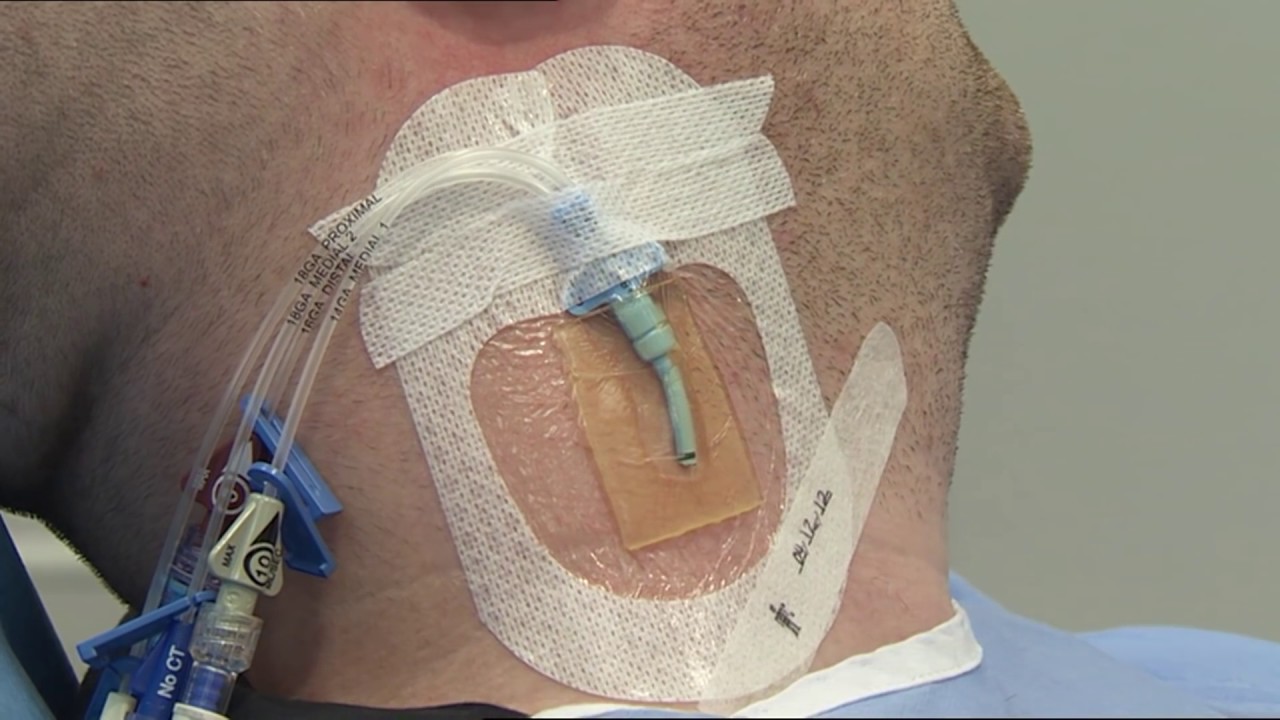
SCS trial antibiotics?

Started by Baron S
This forum made possible through the generous support of SDN members, donors, and sponsors. Thank you.
Get help with your application

Use all the free resources available to you from SDN: articles, guides, expert advising, forums discussions, and school research.

Baron S

Full Member
15+ Year Member
Advertisement - Members don't see this ad
In training, all patients got IV Ancef or Clinda if allergic and did not routinely go home with po. At my current set up, giving IV antibiotics is problematic for logistic reasons. I tried doing a literature review, but most articles I found relate more to implants.

What are others doing for their trials? Only IV ABX? PO alternative? No ABX?

Any actual papers or guidelines I should reference?
 
I believe when I looked it up in the past literature said antibiotics didn't make a big difference and weren't necessary for trials.

That being said, I give IV abx preprocedure and then PO abx while the leads are hanging out. Bacitracin around the lead insertion site. Meningitis isn't something I want to ever see.

As a matter of fact, I'd use the chlorhexidine impregnated pad dressings we use for central lines if I had them available.
 
Advertisement - Members don't see this ad

NACC guidelines say follow SCIP guidelines for pre-op but nothing routinely post for trial or perm

I use peri-procedure IV abx and topical CHG-tegaderms for the trial.
 
We use PO anabiotic’s pre-procedure and then 500 mg of Keflex twice a day during the trial. We do this because if a patient gets infection it’s always better to say that we had them on anabiotic‘s versus not. The NACC guidelines they were posted above or a decent starting point but regarding post up antibiotics after a implant, there’s a paper by Dr. Hoelzer that showed clear benefit to postop anabiotic’s so everyone gets Keflex twice a day for five days after implant as well.
 
Office trial, rocephin 1000mg im. In ASC gentamicin and 2g ancef, if pcn allergy clinda. For the duration of the trial I risk stratify, diabetics and those with history of infection with prior surgeries will get po bactrim DS. Most people without risk don't get antibiotics. I document on my op note reason for po antibiotics going home.
 
I do not use antibiotics routinely during a trial and have never had an infection. I use preop IV weight-based antibiotics in the ASC. In the office i give 1000mg PO keflex 1 hour prior to the trial. This should get you above 3 MIC (I looked it up a long time ago so correct me if I’m wrong). That’s it!


Sent from my iPhone using Tapatalk
 
IV Ancef/clinda pre and no orals during but leads under Ioban. 5 day trial.

So after you place trial leads you cover everything under Ioban, or you trial through Ioban like an implant?

If the former, can you post a pic sometime? I kind of like that idea.
 
Advertisement - Members don't see this ad
If I'm leaving metal implanted under skin, I'm going to give abx. Treating just like an Ortho implant. Trial is covered with a sterile dressing that doesn't get removed until sterile leads are removed. Postop abx seem unnecessary.

Your rationale is confusing to me, and the reason people usually use PO ABx during the trial is bc there's no such thing as a truly sterile dressing, and you have a direct access point at the lead as it exits.

Occlusive dressings have been shown to be effective for 48 hrs only.

Do what you're going to do, and I'm sure your practice is probably successful with your way of doing things but your rationale is odd IMO.

You can't treat SCS like an ortho implant bc it isn't an ortho implant.

I am pretty sure I've read that PO ABx post implant increase the risk of infxn.

I use IV ABx preop, irrigate, and then use vancomycin powder in the pocket and midline wound (powder split 70/30 pocket to midline).

Again, none of this is make or break, and you're probably as successful as anyone else here...
 
If I'm leaving metal implanted under skin, I'm going to give abx. Treating just like an Ortho implant. Trial is covered with a sterile dressing that doesn't get removed until sterile leads are removed. Postop abx seem unnecessary.

But I'm just a simple country doctor, what do I know?

Hopefully enough to read the SCIP guidelines?
 
If I'm leaving metal implanted under skin, I'm going to give abx. Treating just like an Ortho implant. Trial is covered with a sterile dressing that doesn't get removed until sterile leads are removed. Postop abx seem unnecessary.

But I'm just a simple country doctor, what do I know?
You could read the SCIP guidelines and base your clinical decisions off of that. No one will fault you.

Or, better yet, you could read this Spinal Cord Stimulator Implant Infection Rates and Risk Factors: A Multicenter Retrospective Study. - PubMed - NCBI and follow the data.

I agree that your logic is a bit confusing. Simulators are not Ortho implants and should not be treated the same. You referenced a very good paper that clearly states using postop antibiotics and occlusive dressings decrease the rate of infection...so use both after implants. For a trial we still don’t have good data regarding anabiotics or not during the trial but most of us agree that it makes sense if you have leads hanging out of the body you should probably put them on antibiotics just to be safe.
 
basing clinical decisions on retrospective studies is tenuous. Level 2 or Level 3 evidence.

pls use more robust data.

in fact, from the same issue of Neuromodulation, this study suggests that local care and changes in healthcare practice reduces risk of implant infection markedly:

 
I like the decolonization plan. I've been doing that (forgot to mention in previous post).

That PLUS irrigation and vancomycin powder is great IMO.

Irrigation - I do it, but it probably doesn't do anything. I'm not religious with it. I think dead space around the IPG is what causes infxn, that and smoking.
 
Hospitals around me have terrible infection rates. I assume the worst and cover the patient during the trial and post implant (3days).

I don’t think anybody would fault you for being cautious , if an antibiotic complication occurs (ie VT, c diff, ARF). It’s not like stim trial abx usage has the same impact as routine pcp practices.
 
If I'm leaving metal implanted under skin, I'm going to give abx. Treating just like an Ortho implant. Trial is covered with a sterile dressing that doesn't get removed until sterile leads are removed. Postop abx seem unnecessary.

But I'm just a simple country doctor, what do I know?

No evidence for any antibiotics past 24 hours postop. Period.


Sent from my iPhone using Tapatalk
 
I started a stim trial last Thursday, uncomplicated placement to T8. He has had a headache since then - back of head, neck is stiff and now he says his ears are “full” as well. Neck ROM is preserved. No fevers and not positional. Headache does not respond to NSAIDs but briefly improved after a BM (he was constipated for 4 days after the trial). The stimulator is giving him 100% pain improvement. How much a concern would meningitis be with this time frame? I asked him to turn off the stim for a few hours to see if the headache changed.
 
I started a stim trial last Thursday, uncomplicated placement to T8. He has had a headache since then - back of head, neck is stiff and now he says his ears are “full” as well. Neck ROM is preserved. No fevers and not positional. Headache does not respond to NSAIDs but briefly improved after a BM (he was constipated for 4 days after the trial). The stimulator is giving him 100% pain improvement. How much a concern would meningitis be with this time frame? I asked him to turn off the stim for a few hours to see if the headache changed.
Sometimes the fentanyl with sedation causes some impressive constipation, but I would be more worried about COVID than a PDPH/meningitis based on that presentation. If the headache gets worse after trial lead removal, then consider that it was a slow leak. Either way, get the leads out as you've gone long enough.
 
I started a stim trial last Thursday, uncomplicated placement to T8. He has had a headache since then - back of head, neck is stiff and now he says his ears are “full” as well. Neck ROM is preserved. No fevers and not positional. Headache does not respond to NSAIDs but briefly improved after a BM (he was constipated for 4 days after the trial). The stimulator is giving him 100% pain improvement. How much a concern would meningitis be with this time frame? I asked him to turn off the stim for a few hours to see if the headache changed.
I would image the leads, pull them(your trial's good to go anyways), get a CBC, and call the patient daily and check for resolution or progression.
 
Sometimes the fentanyl with sedation causes some impressive constipation, but I would be more worried about COVID than a PDPH/meningitis based on that presentation. If the headache gets worse after trial lead removal, then consider that it was a slow leak. Either way, get the leads out as you've gone long enough.

Yeah, I didn’t mention he took his trial to a church luncheon and had a great time. COVID as headache-only seems like a stretch. I’ll see if I can get him to pull the leads.
 
Advertisement - Members don't see this ad
Yeah, I didn’t mention he took his trial to a church luncheon and had a great time. COVID as headache-only seems like a stretch. I’ll see if I can get him to pull the leads.
I've personally never had a patient pull their own leads and I wouldn't start on a guy where meningitis is on the ddx. I'd def want to see what the entry site looks like.
 
I've personally never had a patient pull their own leads and I wouldn't start on a guy where meningitis is on the ddx. I'd def want to see what the entry site looks like.

I mean, I’ll see if I can get him to come in so I can pull them lol. I sutured the heck out of them.
 
I started a stim trial last Thursday, uncomplicated placement to T8. He has had a headache since then - back of head, neck is stiff and now he says his ears are “full” as well. Neck ROM is preserved. No fevers and not positional. Headache does not respond to NSAIDs but briefly improved after a BM (he was constipated for 4 days after the trial). The stimulator is giving him 100% pain improvement. How much a concern would meningitis be with this time frame? I asked him to turn off the stim for a few hours to see if the headache changed.

Eek. You got this call Monday and still left leads in for another 48h? Not something I’d have messsed around with. This kind of complaint, patient gets seen back in office and leads come out immediately.
 
Eek. You got this call Monday and still left leads in for another 48h? Not something I’d have messsed around with. This kind of complaint, patient gets seen back in office and leads come out immediately.

No, I got it around 6 pm today and he lives an hour away.

In sort of an unfortunate perfect storm, we’ve not had power for the last few days and the roads are hazardous from freezing rain...so I am asking him to come in so I can examine him with a flashlight in a cold empty building.
 
Last edited:
No, I got it around 6 pm today and he lives an hour away.

In sort of an unfortunate perfect storm, we’ve not had power for the last few days and the roads are hazardous from freezing rain...so I am asking him to come in so I can examine him with a flashlight in a cold empty building.
Texas?
 
I'm seeing some different approaches to Abx for SCS trials in my region. IV Ancef only, IV Ancef + PO Keflex, PO Keflex only...

What are the actual current recommendations?
 
Pre-op either IV or IM is pretty standard. Ancef/clinda/vanc. Something for the duration is more variable, less evidence for. I do keflex but could argue nothing is fine.
 
2 gm ancef prior to procedure. Guidelines recommend against routine use of prophylactic antibiotics during the trial period itself.

For implants. I did not find that data for trials in this article. Did I miss it?

Postoperative AntibioticsProlonged antibiotic use in the postoperative period in cardiac,orthopedic, and plastic surgery has not been shown to improve outcomes (184). In spine surgery specifically, the administration of intravenous antibiotics beyond 48 hours increased the hospital stay andresulted in delayed normalization of body temperature and CRP levels (185). The SCIP recommends the discontinuation of antibioticswithin 24 hours after surgery (7,8). Medicare data have demonstrated that in only 40.7% of patients was antimicrobial prophylaxis discontinued within 24 hours of surgery (93).
 
In training, all patients got IV Ancef or Clinda if allergic and did not routinely go home with po. At my current set up, giving IV antibiotics is problematic for logistic reasons. I tried doing a literature review, but most articles I found relate more to implants.

What are others doing for their trials? Only IV ABX? PO alternative? No ABX?

Any actual papers or guidelines I should reference?
I do IV during case then oral until leads are out. Ancef/keflex or clinda.
 
Last edited:
I have always given cephalexin post trial. I stopped due to the guidelines a couple years ago and I got my one and only epidural abscess on a healthy lady. So guess what? They are all getting cephalexin from now on.
what if you get epidural abscess on cephalexin?

I just don’t see how a 7-day antibiotic course, or however long people keep patients on it during trials, is useful if appropriate preprocedure IV prophylaxis has already been given. same goes for implants that is beyond first 24h.
 
Last edited:
All medicine is anecdotal until it becomes “best practices” which is still anecdotal. Did my MA who oozed confidence not give the IM ceftriaxone pre trial I instructed her to, did the leads get compromised between the manufacturer, the rep’s car/house, and the clinic? I will never know.

Big cephalexin isn’t funding any study. But there is a chain of custody with a prescription. The doctor presrcibed it, and the patient chose not to pick it up.
 
Advertisement - Members don't see this ad
what if you get epidural abscess on cephalexin?

I just don’t see how a 7-day antibiotic course, or however long people keep patients on it during trials, is useful if appropriate preprocedure IV prophylaxis has already been given. same goes for implants that is beyond first 24h.
Portal of infection. from the outside world going directly into the epidural space. In a covered wound that is drenched in sweat.
I'll stick with trial abx PO while wires dangling.
 
im not sure you take into consideration what the patient is doing and the living environment of the patient.

the IV or IM antibiotic lasts for what, a few hours? skin penetration may not be adequate by that time. patient then not only sweats, as steve mentions, but sits on a dirty couch, lies in bed with pets and toddlers next to bandage which may not be completely sealed, accidentally gets it wet while sponge bathing, etc.

yes keflex has risks, but the benefits of preventing epidural abscess seems to outweigh those risks.

retrospective trial of implants. 2.4% infection rate.

part of the conclusion: "This study also demonstrated the positive impact of post-operative antibiotics in decreasing the rate of infection."
however, i cant site the specific reasoning in the article.

case report of patient with stim trial who did get 2 gm of cefazolin pre implantation. chloraprep. Medtronic stim. s aureus, methicillin sensitive thankfully.


of note:
longer trials have greater risk of infection.
 
im not sure you take into consideration what the patient is doing and the living environment of the patient...
I agree that PO or IM or IV antibiotics pre-operatively should be given in an adequate time frame to get tissue levels.

The majority of the guidance/literature about this is from SCIP which is more for incisional/implantable stuff.

I think Pope et al had a paper around 2021 about how in neuromodulation specific implant cases, continuing oral antibiotics after a case reduced the infectious rate, but I still would rather save my 1st line antibiotics for when I know there's a problem, rather than chase a problem with less optimal or more aggressive guns.

I do think dressings have improved a lot. My most recent health system had just gotten the CHG tegaderms which I felt were the best dressings for my trials.

maxresdefault.jpg


I do routinely go longer on trials into the 7-14 days range and am unaware of any deep infections. Most commonly some skin irritation at the site. I should remind people that that the new ASRA infection control guidelines suggest we should be gowning/full barrier drapes/OR style for anything that is meant to stay in for over 5 days, so I assume we'll all do 4.5 day trials from now on.

As I transition into the community, I think I would lean towards covering with Iodophor- or CHG- impregnated incise drape to hold the leads in place under whatever tape they can tolerate.
 
im not sure you take into consideration what the patient is doing and the living environment of the patient.

the IV or IM antibiotic lasts for what, a few hours? skin penetration may not be adequate by that time. patient then not only sweats, as steve mentions, but sits on a dirty couch, lies in bed with pets and toddlers next to bandage which may not be completely sealed, accidentally gets it wet while sponge bathing, etc.

yes keflex has risks, but the benefits of preventing epidural abscess seems to outweigh those risks.

retrospective trial of implants. 2.4% infection rate.

part of the conclusion: "This study also demonstrated the positive impact of post-operative antibiotics in decreasing the rate of infection."
however, i cant site the specific reasoning in the article.

case report of patient with stim trial who did get 2 gm of cefazolin pre implantation. chloraprep. Medtronic stim. s aureus, methicillin sensitive thankfully.


of note:
longer trials have greater risk of infection.

Portal of infection. from the outside world going directly into the epidural space. In a covered wound that is drenched in sweat.
I'll stick with trial abx PO while wires dangling.

I see where you are coming from, but antibiotics do not work that way.

If contamination tracks along the externalized hardware, there is no amount of Keflex that is going to reliably prevent an infection. Generally speaking, seeded hardware does not get salvaged with systemic antibiotics.

I think the concept of pre-op antibiotics is being confused with some magical property that Keflex simply does not have. Pre-op prophylaxis is about having adequate tissue levels at the time of bacterial inoculation. It is not a sterility shield for several days of externalized hardware sitting under a dressing in the real world.

The retrospective implant paper and a case report do not really strengthen the argument. At best, they show infection can happen

Completely agree with the length of trial associated with higher risk
 
Last edited:
I see where you are coming from, but antibiotics do not work that way.

If contamination tracks along the externalized hardware, there is no amount of Keflex that is going to reliably prevent an infection. Generally speaking, seeded hardware does not get salvaged with systemic antibiotics.

I think the concept of pre-op antibiotics is being confused with some magical property that Keflex simply does not have. Pre-op prophylaxis is about having adequate tissue levels at the time of bacterial inoculation. It is not a sterility shield for several days of externalized hardware sitting under a dressing in the real world.

The retrospective implant paper and a case report do not really strengthen the argument. At best, they show infection can happen

Completely agree with the length of trial associated with higher risk
I’ll be retired in 12 years and can’t see myself doing more than 100 trials until then. Over the last 20 years and in my training, we gave every trial prophylactic antibiotics. Never seen an infection from a trial. This is all dogma. Would be nice if the guys who wrote that article said something about antibiotics for the trial.