
You are using an out of date browser. It may not display this or other websites correctly.
You should upgrade or use an alternative browser.
You should upgrade or use an alternative browser.
How much would not dressing up for interviews hinder my acceptance rate?
Started by MikeyDub

Get help with your application
Use all the free resources available to you from SDN: articles, guides, expert advising, forums discussions, and school research.

Suit and tie. There's really no excuse for anything less than that.

No Adcom member in the world will think like this.
What are the chances of them thinking, "I like this kid's moxy, smart enough to be comfortable in an interview."
Show that you're unprofessional and you'll be rejected before you leave the interview room. We have done that to people. Get a sport coat, tie and nice shirt. It doesn't have to Bill Blass or Brooks Bros., go to Men's Wearhouse. There's no law that says you have to dress like you're going to a funeral.
Seriously kid, this is a once in a lifetime event Don't F it up.
But really, what is the bare minimum of dressing up I have to actually do, assuming a good application?
What are the chances of them thinking, "I like this kid's moxy, smart enough to be comfortable in an interview."
Show that you're unprofessional and you'll be rejected before you leave the interview room. We have done that to people. Get a sport coat, tie and nice shirt. It doesn't have to Bill Blass or Brooks Bros., go to Men's Wearhouse. There's no law that says you have to dress like you're going to a funeral.
Seriously kid, this is a once in a lifetime event Don't F it up.
But really, what is the bare minimum of dressing up I have to actually do, assuming a good application?
Advertisement - Members don't see this ad

You're going into medicine. Don't be sloppy, especially at your stage of the game. Laziness is not a desired trait for medical schools.


Out of curiosity, has someone's clothing ever played a part in your decision? Or have there been stories about someone showing up in less than appropriate attire?
No Adcom member in the world will think like this.
What are the chances of them thinking, "I like this kid's moxy, smart enough to be comfortable in an interview."
Show that you're unprofessional and you'll be rejected before you leave the interview room. We have done that to people. Get a sport coat, tie and nice shirt. It doesn't have to Bill Blass or Brooks Bros., go to Men's Wearhouse. There's no law that says you have to dress like you're going to a funeral.
Seriously kid, this is a once in a lifetime event Don't F it up.
But really, what is the bare minimum of dressing up I have to actually do, assuming a good application?

Not wearing a suit would show how much you don't care about the interview.
To answer your theoretical question of if attire ever mattered: at my school, on interview day, they told us that one girl was wearing formal attire and running shoes. The reason why was because her dress shoes were in her luggage that the airport lost. They respected her for being able to mentally deal with this fact and still do well on her interview and she was accepted.
However, this is a disparate matter from simply choosing not to wear appropriate attire.
Suck it up and wear the charcoal suit.
To answer your theoretical question of if attire ever mattered: at my school, on interview day, they told us that one girl was wearing formal attire and running shoes. The reason why was because her dress shoes were in her luggage that the airport lost. They respected her for being able to mentally deal with this fact and still do well on her interview and she was accepted.
However, this is a disparate matter from simply choosing not to wear appropriate attire.
Suck it up and wear the charcoal suit.
You just don't want to stick out. I went to job interviews where a suit was frowned down upon because it went against the company's culture. For medical school, you need to look professional with a suit and tie. They don't know who you are. You need to set a good first impression.
OP, pay attention to this:
Not wearing a suit would show how much you don't care about the interview.
To answer your theoretical question of if attire ever mattered: at my school, on interview day, they told us that one girl was wearing formal attire and running shoes. The reason why was because her dress shoes were in her luggage that the airport lost. They respected her for being able to mentally deal with this fact and still do well on her interview and she was accepted.
However, this is a disparate matter from simply choosing not to wear appropriate attire.
Suck it up and wear the charcoal suit.

There's plenty of stories of people who were looked down upon for (semi-)inappropriate attire. The most common story is generally a woman who is showing way too much skin for a formal interview.Out of curiosity, has someone's clothing ever played a part in your decision? Or have there been stories about someone showing up in less than appropriate attire?
That said, for interviews, you really do want to blend in. Even if the only other time you'll ever wear it is for residency interviews.

I know of one person... a year or more ago, who wore a cardigan sweater (that's a sweater with buttons) rather than a jacket. The adcom ate the applicant for lunch.

I hope you realize you'll have to dress up during medical school for many occasions (standardized patients, clinic visits, etc) and onward as well. The only places I've seen where scrubs are acceptable attire for medical students or doctors while working is in the ER or OR; otherwise it's business casual at minimum -- no shorts, jeans, flip flops, etc.
That varies widely on an institutional basis. As a general rule, the further east you go the more the doctors have to be dressed up. An exception is the Mayo Clinic which requires suits all the time.I hope you realize you'll have to dress up during medical school for many occasions (standardized patients, clinic visits, etc) and onward as well. The only places I've seen where scrubs are acceptable attire for medical students or doctors while working is in the ER or OR; otherwise it's business casual at minimum -- no shorts, jeans, flip flops, etc.
I'm a resident at a hospital in CA and the last time I wore a tie (outside of a wedding/funeral/conference) was interview season. I have to wear a button down shirt for clinic yes, but I wear scrubs on inpatient services every day.
At my med school in WI, we had to wear a button down shirt roughly half the time when we were on wards, but the other half of the days (on call days, post call days, weekends) scrubs were fine. Ties were pretty much always optional.

I said it before on the beard thread a few days ago. I think the whole what your wearing is blown out of proportion on this forum. With that said here is what I personally consider a minimum appearance: wear a normal suit "to me black, navy, charcoal, grey", shirt/tie, matching belt/shoes, make sure the suit is tailored to your body, no crazy hair styles... Common sense should also dictate that you should make sure the condition of these items are acceptable. Other then that I doubt what your wearing means anything to your interviewer. Doing anything below this is disrespectful to the school you are visiting. If money is a problem try goodwill.
Last edited:
Advertisement - Members don't see this ad
Maybe if it was a really fresh t-shirt.Wearing a suit and tie shows professionalism. Just think about it, would you want your own doctor to come assess you in a t-shirt and jeans?
Wearing a suit and tie shows professionalism. Just think about it, would you want your own doctor to come assess you in a t-shirt and jeans?
Exactly, I remember when I went to the ED with a friend a few years ago I was kinda turned off by the attending right away as he was in jeans and a sports sweatshirt. He was a kind of a jerk for other reasons but his first impression was quite poor due to this.

Tuxedo tee?Maybe if it was a really fresh t-shirt.
Tuxedo tee?[/QUOTE What this does't scream Dr. ?

As much as I love the word "moxie", I would *not* think a candidate wearing a hoodie and cargo shorts possesses that quality.
Wearing a suit shows respect for the event, for your interviewer and for the position you are applying for.
As noted above, when you don't, you stand out and not in a good way. That leads interviewers to start scrutinizing your application for other potential flaws.
Oh and newsflash: you will wear a suit at other times in life -- your wedding, your parents funeral, job interviews, in court etc.
Wearing a suit shows respect for the event, for your interviewer and for the position you are applying for.
As noted above, when you don't, you stand out and not in a good way. That leads interviewers to start scrutinizing your application for other potential flaws.
Oh and newsflash: you will wear a suit at other times in life -- your wedding, your parents funeral, job interviews, in court etc.

Split the difference - rock a Nudie suit or Canadian tuxedo.
Tuxedo shirt, no pants. Done.Split the difference - rock a Nudie suit or Canadian tuxedo.
A Nudie suit is MUCH classier than that.Tuxedo shirt, no pants. Done.
Last edited:

1. Wear scrubs.
2. Bring your own nitrile gloves.
3. Constantly ask when surgery rotation starts.
Guaranteed acceptance!
(Seriously, don't do this.)
2. Bring your own nitrile gloves.
3. Constantly ask when surgery rotation starts.
Guaranteed acceptance!
(Seriously, don't do this.)

I think the whole what your wearing is blown out of proportion on this forum.
No one is going to judge you for your fashion sense, but your looks are a part of how you present yourself. You don't want to come across as sloppy. Whether fair or not, your clothes play a part in that portrayal.

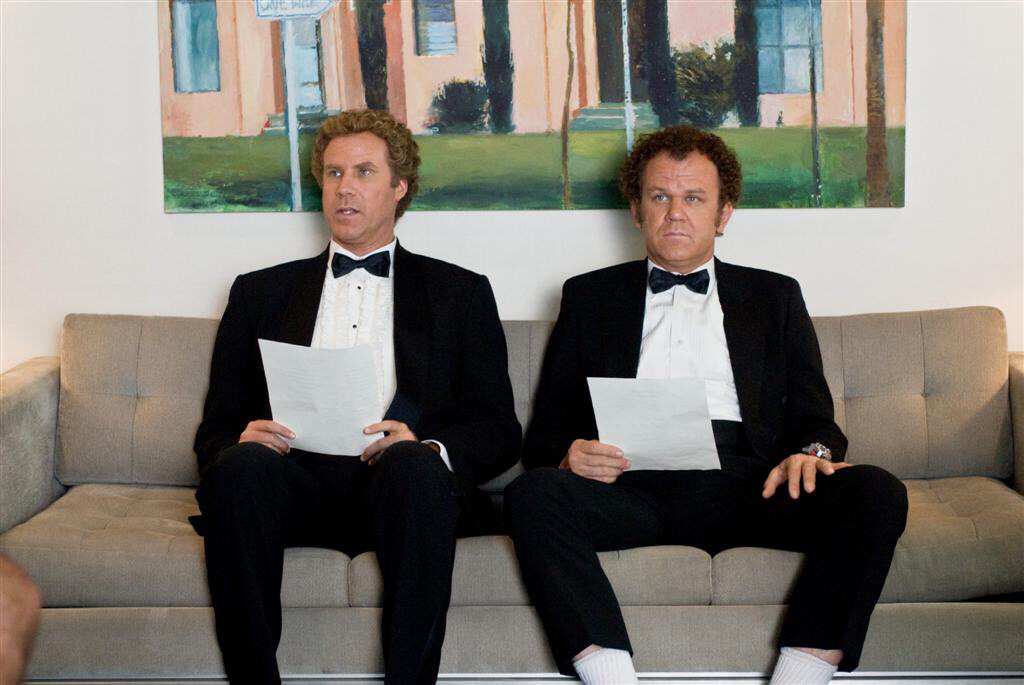
Here's the moxie OP was talking about:

I guess I have to wear a suit at least once in my life
I love events that require formal wear. Gives me a reason to wear a suit without looking like a tool.
Going off topic for a sec. Can you remove your jacket if it gets hot in the interview room or would this be unprofessional.

I love events that require formal wear. Gives me a reason to wear a suit without looking like a tool.
Going off topic for a sec. Can you remove your jacket if it gets hot in the interview room or would this be unprofessional.
IN the interview room would be unprofessional, except in the most unusual circumstances. (A/C broken, room over 80 degrees and humid, interviewer removes his/hers and invites you to remove your jacket since it's so ridiculously hot.) On the walking tour of campus, removing your jacket would be completely appropriate.

Just to build on the money thing, my SO found an Armani suit at Goodwill that he got tailored and wore to interviews. Your experience may vary. 🙂I said it before on the beard thread a few days ago. I think the whole what your wearing is blown out of proportion on this forum. With that said here is what I personally consider a minimum appearance: wear a normal suit "to me black, navy, charcoal, grey", shirt/tie, matching belt/shoes, make sure the suit is tailored to your body, no crazy hair styles... Common sense should also dictate that you should make sure the condition of these items are acceptable. Other then that I doubt what your wearing means anything to your interviewer. Doing anything below this is a disrespectful to the school you are visiting. If money is a problem try goodwill.
Advertisement - Members don't see this ad
I agree that it's important to look professional in an interview, but it also makes me sad that this is how the world works. People caring how other people dress is a huge waste of time and energy in my opinion. I don't want a well dressed doctor, I want a qualified and competent doctor, how they're dressed is completely irrelevant to me. Anybody can wear a suit, not anybody can be a good doctor.
I agree that it's important to look professional in an interview, but it also makes me sad that this is how the world works. People caring how other people dress is a huge waste of time and energy in my opinion. I don't want a well dressed doctor, I want a qualified and competent doctor, how they're dressed is completely irrelevant to me. Anybody can wear a suit, not anybody can be a good doctor.
It's not the clothes themselves that matter. It's what that portrays about you as a person.
Everyone knows you should dress formally in an interview, ideally in the best clothing you can afford. This is not negotiable. If you don't do that or if you show up in a suit that is poor fitting or otherwise doesn't look good, it suggests to me that 1) you have an inability to evaluate how others might perceive you and/or don't care, 2) you don't pay attention to detail, 3) you chose not to spend the time necessary to ensure that your clothing looked appropriate (ie, you didn't prepare adequately), and 4) you lack social intelligence.
I don't care if your suit costs $5 or $5000. It's not about judging brands or how on top of trends you are. Instead, it's about how you present yourself and what that reveals about yourself. You can disagree with it all you want, but this is just how the world works. And the things I mentioned above aren't unimportant or in a vacuum. They are all directly related to how your future patients and colleagues will perceive you as well, which is critically important.

A Nudie suit is MUCH classier than that.
Nudie suits, custom-designed by colorful fashion designer Nudie Cohn in the 1970s and popularized by Elton John and Elvis Presley, were known for their wild colors and outlandish designs (and rhinestones) 🙂
Haha, were you referring to a "Birthday Suit"? If I were an interviewer, and somebody wore an actual Nudie suit to an interview with me... automatic acceptance.

If this is a money issue, head to a department store like JCPenney (where I got mine) or similar, and buy a suit. It'll be hundreds of dollars cheaper than even places like Mens Wearhouse. Then use your significant savings to have it tailored nicely, choose your shirt/shoe/belt/tie wisely, and you'll look just as good as the people with very expensive suits.

Only very very important people (VVIPs?) can go into a meeting wearing casual clothes when everyone else is wearing a suit (like Mark Zuckerberg important). Wearing a suit is a sign of respect (or disrespect without it) for the person you're meeting with. For example did you know the suit harkens back to the court of English king Charles II? He started requiring attendees to his court wear subdued persian vests as a sign of respect instead of the flashy french fashions that had become popular. Since then, suits themselves have become flashy in some contexts but I think their respectful, serious and utilitarian purpose is still prevalent in courts or places of business.
1000% agree.
Some of my clinical colleagues talk about "going into character" when you meet a patient. That's part of this professionalism stuff we keep harping on. The patient expects something from you by the way you present yourself, the way you carry and conduct yourself, simply because you're a doctor. The interview suit runs along similar lines.
Some of my clinical colleagues talk about "going into character" when you meet a patient. That's part of this professionalism stuff we keep harping on. The patient expects something from you by the way you present yourself, the way you carry and conduct yourself, simply because you're a doctor. The interview suit runs along similar lines.
It's not the clothes themselves that matter. It's what that portrays about you as a person.
Everyone knows you should dress formally in an interview, ideally in the best clothing you can afford. This is not negotiable. If you don't do that or if you show up in a suit that is poor fitting or otherwise doesn't look good, it suggests to me that 1) you have an inability to evaluate how others might perceive you and/or don't care, 2) you don't pay attention to detail, 3) you chose not to spend the time necessary to ensure that your clothing looked appropriate (ie, you didn't prepare adequately), and 4) you lack social intelligence.
I don't care if your suit costs $5 or $5000. It's not about judging brands or how on top of trends you are. Instead, it's about how you present yourself and what that reveals about yourself. You can disagree with it all you want, but this is just how the world works. And the things I mentioned above aren't unimportant or in a vacuum. They are all directly related to how your future patients and colleagues will perceive you as well, which is critically important.
I know a person whose luggage was lost and ended up doing an interview at his top choice in a borrowed oversized sports coat and not very dressy pants or shoes. The interviewers were understanding and got a laugh out of it, and he still got in. He felt it actually worked as an ice breaker. But I still don't recommend it. If you want to be a professional you need to own a suit.
Nope, I was referring to an actual Nudie suit. They're ballin'Nudie suits, custom-designed by colorful fashion designer Nudie Cohn in the 1970s and popularized by Elton John and Elvis Presley, were known for their wild colors and outlandish designs (and rhinestones) 🙂
View attachment 185195
Haha, were you referring to a "Birthday Suit"? If I were an interviewer, and somebody wore an actual Nudie suit to an interview with me... automatic acceptance.

I agree that it's important to look professional in an interview, but it also makes me sad that this is how the world works. People caring how other people dress is a huge waste of time and energy in my opinion. I don't want a well dressed doctor, I want a qualified and competent doctor, how they're dressed is completely irrelevant to me. Anybody can wear a suit, not anybody can be a good doctor.
Except that there is research supporting that patients attitudes and preferences are related to dress, with professional attire being most preferred. This may be changing as our society continues to dress more casually, and may be related to expectations for particular specialties - surgeons and anesthesiologists in scrubs being more acceptable than a psychiatrist.
That said, for the OP, as others have said, this is not the time to test the waters. And you will have to dress more formally as a student...I know people who have been sent home surgery clinic by attendings for not wearing ties while shadowing as a preclinical student or while on their surgery rotations. Be assured, that showed up on their evaluations. A waste in your mind, but that's just the way it is.
There was a girl who lost her suitcase prior to interviewing at Harvard's MSTP. She interviewed in her PJs. She was accepted.
I've seen plenty of people who have had to deal with lost luggage, and generally that is a very different situation. We understand that life happens. I've interviewed someone wearing jeans and sneakers for exactly this reason. The interviewee was of course extremely anxious over the situation, but they did fine.
However...my one question..."she interviewed in her PJs" - so that implies that she was traveling in her PJs and had literally no other clothing she could put on?
PS - this is why I never check my suit when travelling
I've seen plenty of people who have had to deal with lost luggage, and generally that is a very different situation. We understand that life happens. I've interviewed someone wearing jeans and sneakers for exactly this reason. The interviewee was of course extremely anxious over the situation, but they did fine.
However...my one question..."she interviewed in her PJs" - so that implies that she was traveling in her PJs and had literally no other clothing she could put on?
PS - this is why I never check my suit when travelling
I always wear my suit when I fly for exactly this reason. Not taking any chances.
Really? I think I'd rather show up in the clothes I wore on the plane than in my pajamas.There was a girl who lost her suitcase prior to interviewing at Harvard's MSTP. She interviewed in her PJs. She was accepted.

Except that there is research supporting that patients attitudes and preferences are related to dress, with professional attire being most preferred. This may be changing as our society continues to dress more casually, and may be related to expectations for particular specialties - surgeons and anesthesiologists in scrubs being more acceptable than a psychiatrist.
Actually there's data that patients prefer surgeons in regular clothes, not scrubs.
Advertisement - Members don't see this ad

Basically, you want your outward appearance to represent how you want to be perceived. I suggest that be organized, not overly flashy, clean, etc. Clothes says a lot about personality, that's why we do this. It's not just playing dress-up.
(though, out of interview context I think our society should be more tolerant of personal choices. Nobody wants cookie-cut exactness in humans.)
(though, out of interview context I think our society should be more tolerant of personal choices. Nobody wants cookie-cut exactness in humans.)
Right, but then imagine if their psychiatrist was in scrubs...even less appropriate!Actually there's data that patients prefer surgeons in regular clothes, not scrubs.
There was a girl who lost her suitcase prior to interviewing at Harvard's MSTP. She interviewed in her PJs. She was accepted.
Whoops
Really? I think I'd rather show up in the clothes I wore on the plane than in my pajamas.
I guess that tells us what she was wearing on the plane was far more embarrassing.

At interviews I have seen a lot of black suits and suits with all the buttons done. I thought it was.... cute.
Similar threads
- Replies
- 2
- Views
- 954


- Replies
- 5
- Views
- 2K


